
Not exactly leading the canon of poetry but this cute little ditty has a profound message, a message I personally should have heeded a few times over the course of my adult life; but sadly didn’t. I’m not and never have been a vain person, however, when we meet those insidious flatterers in life, it triggers a vanity in one that I would liken to involuntary muscles – it just happens and one doesn’t realise; there’s no conscious control. Anyway…
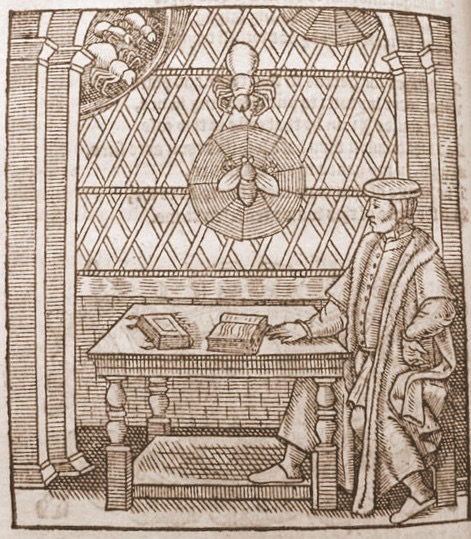
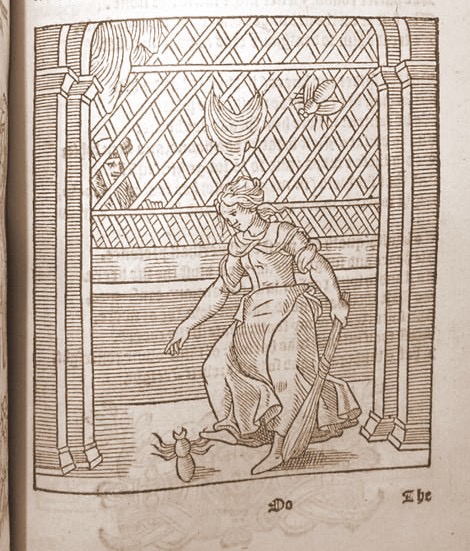
The Spider and the Fly, written by Mary Howitt in 1829, is a cautionary tale presented in the form of a narrative poem. Through a conversation between a cunning spider and a naive fly, Howitt explores themes of deceit, vanity, and the dangers of flattery. The poem’s enduring appeal lies in its moral lesson and its simple yet effective use of literary devices. Let’s analyse the poem’s structure, themes, and the use of literary devices to underscore its message. You’ll find the poem at the end of this post.
Structure and Form
The Spider and the Fly is structured as a dialogue between two characters, the Spider and the Fly, with an omniscient narrator providing context and commentary. The poem consists of seven stanzas, each with a rhyme scheme that follows an AABB pattern, creating a rhythmic and engaging flow that mirrors the conversational tone. This structure not only makes the poem accessible but also enhances the storytelling aspect, drawing readers into the interaction between the two characters.
Themes
Deception and Manipulation: The central theme of the poem is deception. The Spider, representing cunning and malice, uses sweet words and flattery to lure the Fly into his web. His deceitful nature is evident from the beginning when he invites the Fly into his “parlour,” a term that disguises his true intentions. The repeated offers and assurances highlight his manipulative tactics.
Vanity and Gullibility: The Fly, on the other hand, embodies vanity and gullibility. Initially cautious, she resists the Spider’s advances, citing the danger of his web. However, as the Spider continues to flatter her beauty and charm, her vanity overpowers her better judgment. This theme underscores the idea that excessive pride and a desire for admiration can lead to one’s downfall.
Moral Lesson: Howitt’s poem serves as a moral lesson about the dangers of succumbing to flattery and the importance of being wary of those with ulterior motives. The narrator’s closing lines explicitly convey this message, warning readers, to heed the story’s cautionary tale.
Literary Devices
Personification: The poem uses personification to give human characteristics to the Spider and the Fly, making the narrative more relatable and engaging. This device allows readers to see the characters’ traits – cunning in the Spider and vanity in the Fly – as reflections of human behaviours.
Dialogue: The use of dialogue drives the narrative forward and reveals the personalities and intentions of the characters. Through their conversation, readers witness the Spider’s persistence and the Fly’s gradual succumbing to flattery.
Imagery: Howitt employs vivid imagery to paint a picture of the Spider’s web and the Fly’s eventual capture. Phrases like “pantry fine” and “pretty curtains drawn” create a deceptive sense of comfort and allure, while the final image of the “little Fly” being “dragged” into the web starkly contrasts with the earlier enticing descriptions.
Rhyme and Rhythm: The poem’s consistent AABB rhyme scheme and rhythmic cadence make it memorable and engaging. The sing-song quality of the verses contrasts with the dark theme, enhancing the poem’s impact by making the moral lesson more striking.
Character Analysis
The Spider: The Spider is a master of manipulation, using charm and deceit to achieve his goal. His repeated invitations and assurances are calculated to break down the Fly’s resistance. He is patient and persistent, traits that ultimately lead to his success in capturing the Fly.
The Fly: The Fly represents innocence and vanity. Initially aware of the Spider’s reputation, she resists his advances. However, her desire for admiration and her vanity make her susceptible to the Spider’s flattery. Her tragic flaw is her inability to see through the Spider’s deceit, leading to her demise.
Conclusion
Mary Howitt’s The Spider and the Fly is a timeless cautionary tale that uses simple yet powerful literary devices to convey its moral lesson. Through the interaction between the cunning Spider and the vain Fly, Howitt warns readers of the dangers of deceit and flattery. The poem’s enduring appeal lies in its clear moral message, engaging structure, and the vivid characterisation of its protagonists. As a piece of didactic literature, it continues to resonate with readers, reminding them to be cautious of those who use sweet words for sinister purposes.
The Poem
“Will you walk into my parlour?” said the Spider to the Fly, “’Tis the prettiest little parlour that ever you did spy; The way into my parlour is up a winding stair, And I have many curious things to show when you are there.” “Oh no, no,” said the little Fly, “to ask me is in vain, For who goes up your winding stair can ne’er come down again.”
“I’m sure you must be weary, dear, with soaring up so high; Will you rest upon my little bed?” said the Spider to the Fly. “There are pretty curtains drawn around; the sheets are fine and thin, And if you like to rest awhile, I’ll snuggly tuck you in!” “Oh no, no,” said the little Fly, “for I’ve often heard it said, They never, never wake again, who sleep upon your bed!”
Said the cunning Spider to the Fly, “Dear friend, what can I do, To prove the warm affection I’ve always felt for you? I have within my pantry, good store of all that’s nice; I’m sure you’re very welcome – will you please to take a slice?” “Oh no, no,” said the little Fly, “kind Sir, that cannot be, I’ve heard what’s in your pantry, and I do not wish to see!”
“Sweet creature!” said the Spider, “you’re witty and you’re wise, How handsome are your gauzy wings, how brilliant are your eyes! I have a little looking-glass upon my parlour shelf, If you’ll step in one moment, dear, you shall behold yourself.” “I thank you, gentle Sir,” she said, “for what you’re pleased to say, And bidding you good morning now, I’ll call another day.”
The Spider turned him round about, and went into his den, For well he knew the silly Fly would soon come back again: So he wove a subtle web, in a little corner sly, And set his table ready, to dine upon the Fly. Then he came out to his door again, and merrily did sing, “Come hither, hither, pretty Fly, with the pearl and silver wing; Your robes are green and purple – there’s a crest upon your head; Your eyes are like the diamond bright, but mine are dull as lead!”
Alas, alas! how very soon this silly little Fly, Hearing his wily, flattering words, came slowly flitting by; With buzzing wings she hung aloft, then near and nearer drew, Thinking only of her brilliant eyes, and green and purple hue – Thinking only of her crested head – poor foolish thing! At last, Up jumped the cunning Spider, and fiercely held her fast.
He dragged her up his winding stair, into his dismal den, Within his little parlour – but she ne’er came out again! And now, dear little children, who may this story read, To idle, silly, flattering words, I pray you ne’er give heed: Unto an evil counsellor close heart and ear and eye, Andtake a lesson from this tale, of the Spider and the Fly.
This poem, with its memorable rhymes and vivid imagery, imparts a timeless lesson about the dangers of vanity and the perils of being seduced by flattery.
Image source: streetsofsalem https://bit.ly/4eyroQe

 Wording