Arthur Machen’s The Great God Pan is often hailed as a classic of horror literature, revered for its ability to induce existential dread and psychological unease. But let’s face it: it’s also a tale that might make you chuckle at its melodrama, archaic dialogue, and the peculiar Victorian obsession with mysterious women and pagan rituals. Let’s dive into this dark, tangled, and occasionally laughable underbrush of Machen’s imagination.
At its core, with a plot thicker than Victorian porridge, The Great God Pan is about a failed brain surgery, an enigmatic woman named Helen Vaughan, and the supernatural chaos that ensues. Dr. Raymond, our mad scientist du jour, decides to meddle with the brain of a young woman named Mary to reveal the “reality” beyond human perception. Of course, in typical mad scientist fashion, this ends disastrously, leaving Mary a “hopeless idiot” (Machen’s words, not mine). Enter Helen Vaughan, the offspring of Mary’s unfortunate encounter with the supernatural – a woman so enigmatic and sinister, even Victorian men, with their impressive mustaches and stiff upper lips, are reduced to quivering puddles of fear.
There’s a motley crew of Victorian stereotypes too. Dr. Raymond, the archetypal mad scientist, seems to have missed the memo about ethical medical practices. His brilliant plan to lift the veil of reality involves poking around in Mary’s brain, which predictably goes wrong. If Machen had written this story today, Dr. Raymond would probably be the type to insist he can perform surgery after watching a YouTube tutorial.
Then we have Helen Vaughan, a character shrouded in so much mystery and vague evilness that she could give modern horror movie villains a run for their money. Helen’s talent for driving men to madness or death is so potent, it’s almost a superpower. Her method? Simply existing. Move over, Thanos.
Existential dread, or just dreadfully confusing? Well, Machen’s story grapples with big themes like the thin veil between reality and the supernatural, the unknown horrors that lurk just beyond our perception, and the inevitable downfall of those who dare to peek behind the curtain. Or, as I like to call it, “What happens when Victorian curiosity meets really bad decisions.”
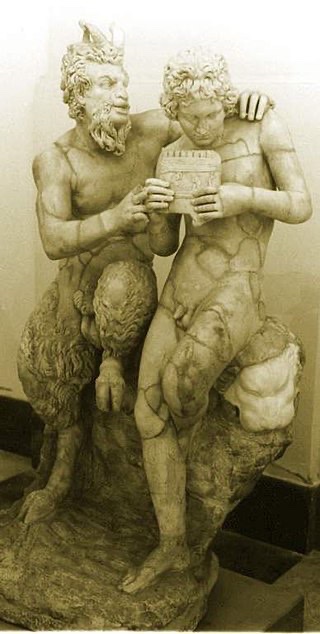
The notion that a simple surgery could reveal the face of the Great God Pan (a creepy nature deity) might strike modern readers as delightfully absurd. If only our current healthcare debates were so mystical! Machen’s use of pagan symbols and myths adds a layer of intrigue but also a hefty dose of “Wait, what?” to the proceedings. Helen Vaughan’s true nature is never fully explained, leaving readers to wonder if she’s part human, part deity, or just a really intense yoga instructor with a dark side.
This really is the perfect model of purple prose and pompous pontification. Machen’s writing style is gloriously over-the-top, filled with lush descriptions and a penchant for the dramatic. Every scene is dripping with an ominous atmosphere, every character interaction fraught with a sense of impending doom. It’s as if Edgar Allan Poe and H.P. Lovecraft had a literary love child who was raised on a steady diet of Victorian gothic.
However, this heavy-handed approach can sometimes border on the ridiculous. Characters frequently engage in deep, philosophical conversations that sound like they’ve been pulled from a How to Sound Smart handbook. There’s a lot of fainting, clutching of chests, and gasping in horror – basically, a Victorian-era soap opera with fewer commercial breaks.
The Great God Pan, as well as being a tale of terror and tittering, is a fascinating glimpse into the fears and fascinations of the Victorian psyche, wrapped up in a package that’s equal parts eerie and unintentionally amusing. While Machen’s tale succeeds in creating a sense of dread and unease, it also offers plenty of moments that might elicit a chuckle or two from modern readers. Whether you’re spooked by the supernatural or just amused by the melodrama, The Great God Pan remains a delightfully dark romp through the weird and wonderful world of Victorian horror.
So, if you’re in the mood for a story that’s as likely to make you laugh as it is to give you nightmares, grab a copy of The Great God Pan. Just be prepared to giggle as you gasp.

 Wording