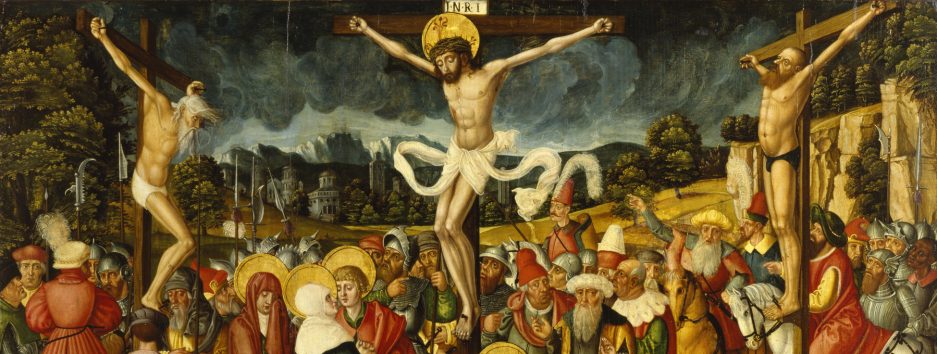

Most people prefer not to discuss the inevitable – death – but alas, it visits us all in due course. I find myself in a particularly sombre phase at present, which invariably leads me to peruse my cherished collection of Poe’s works. Last week, my father received the devastating news that he has inoperable, terminal lung cancer. He prefers not to know how much time he has left, and I too would rather remain in the dark. Thus, we are resolved to make the best of the time he has, however long that may be.
Years ago, I had my own encounter with cancer, an experience that has left me perpetually vigilant – constantly checking for lumps under my arms, in the groin, and so forth. Other illnesses and a terrible car accident have all brought me close to death’s grasp. But for my father, there is no path to recovery, and he is acutely aware of this. We have had many conversations about his illness, and it is somewhat comforting to hear him crack the occasional morbid joke; we have a knack for using humour as a coping mechanism.
During one of our many discussions, I broached the topic of this post with my father, emphasising that death is not something we can hide from, which might be stating the obvious as he well knows. My former career as a funeral director and embalmer, coupled with numerous family deaths over the years, has, I believe, rendered this experience less of a taboo subject for him, as he would often ask me about my work.
Thus, a quick read yesterday, a scratch with the pen, then a tippy-tappy session on the MacBook culminated in the following. Enjoy, if you can.
Edgar Allan Poe’s The Masque of the Red Death is a veritable carnival of morbidity, wrapped in the velvet trappings of the macabre and punctuated by a carnival of symbolic finery. The story, resplendent in its gothic excess, is a wry commentary on the futility of wealth and power in the face of the inescapable, levelling force of death. It is a tale of irony, extravagance, and the ultimate comeuppance of those who believe themselves invincible. Let’s unravel this tale of masked balls and death.
Prince Prospero, a man of considerable wealth and questionable foresight, decides that the best way to dodge a horrific plague – the titular Red Death – is to lock himself and a thousand of his closest (and presumably richest) friends in an abbey. Here, he throws a lavish, never-ending masquerade ball. Think Gatsby, but with more disease and fewer green lights. Prospero’s abbey is equipped with everything needed to stave off reality: food, wine, entertainment, and an architectural layout that could only be described as post-apocalyptic funhouse chic. Each room is decorated in a single, vivid colour, culminating in the final, black room, which is highlighted by ominous red windows. It’s the sort of place Nigella Lawson would design if she had a nihilistic streak – and a penchant for interior decor as opposed to food.
Prince Prospero is the ringleader of this bacchanal. His character is an embodiment of wealth and hubris, the kind of person who would probably double-park his Rolls-Royce outside a soup kitchen. Prospero’s logic is simple: if you can’t see the problem, it doesn’t exist. This is the equivalent of a toddler covering their eyes during a game of hide-and-seek, but with decidedly grimmer stakes. His guests are no better. They revel in the illusion of safety, dancing and laughing in the face of death, much like teenagers convinced that invincibility comes standard with a driver’s license.
The Red Death itself is a delightful character, if you have a taste for the sardonic. Picture the Grim Reaper with a flair for the dramatic, making an entrance that would put any reality TV star to shame. When the clock strikes midnight, a figure appears, shrouded in grave cerements and looking suspiciously like death incarnate. This party-crasher is met with the kind of shocked indignation you’d expect if someone showed up at a black-tie gala wearing Crocs. Prospero, ever the gracious host, attempts to confront the intruder, only to meet his end. It’s a classic case of life of the party turned death of the party.
Poe’s use of colour and room arrangement is symbolic in a way that would make an interior decorator weep with joy. Each room represents a different stage of life, from the hopeful blue (birth) to the ominous black (death). The progression through these rooms is a dance towards inevitability, a conga line of mortality. The giant ebony clock that chimes every hour serves as a grim reminder that time is running out, a detail that surely made Prospero’s guests wish they had invested in some earplugs along with their ornate masks.
The story’s central irony is deliciously dark. Prospero and his guests seek to avoid death by shutting it out, but in doing so, they seal their fate. The abbey, meant to be a fortress against death, becomes a tomb. The masquerade, meant to distract from the Red Death, ends up being its grand stage. Poe’s message is clear: no matter how much you try to avoid it, death is the ultimate party-crasher, the kind that doesn’t just ruin the atmosphere but ends the party altogether.
The Masque of the Red Death is a gothic masterpiece wrapped in a shroud of dark humour and ironic twists. Poe masterfully crafts a tale that is as entertaining as it is grim, reminding us that in the grand masquerade of life, the Red Death holds the final dance card. So, next time you find yourself at a party, remember: no matter how opulent the surroundings, or how invincible the host believes themselves to be, there’s always an uninvited guest lurking somewhere, ready to bring the festivities to a screeching halt.

 Wording