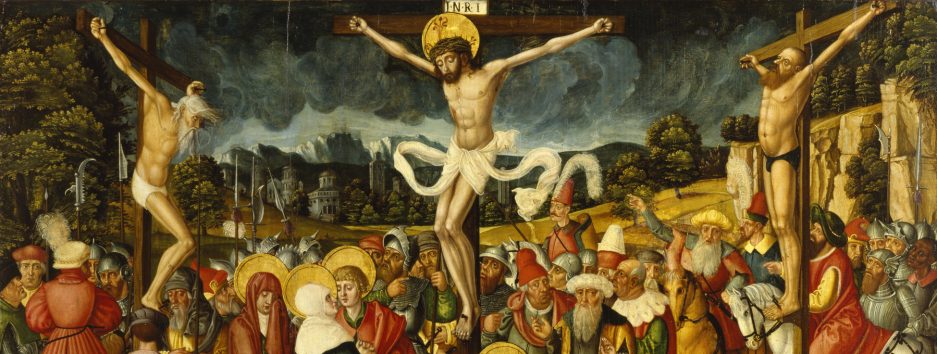
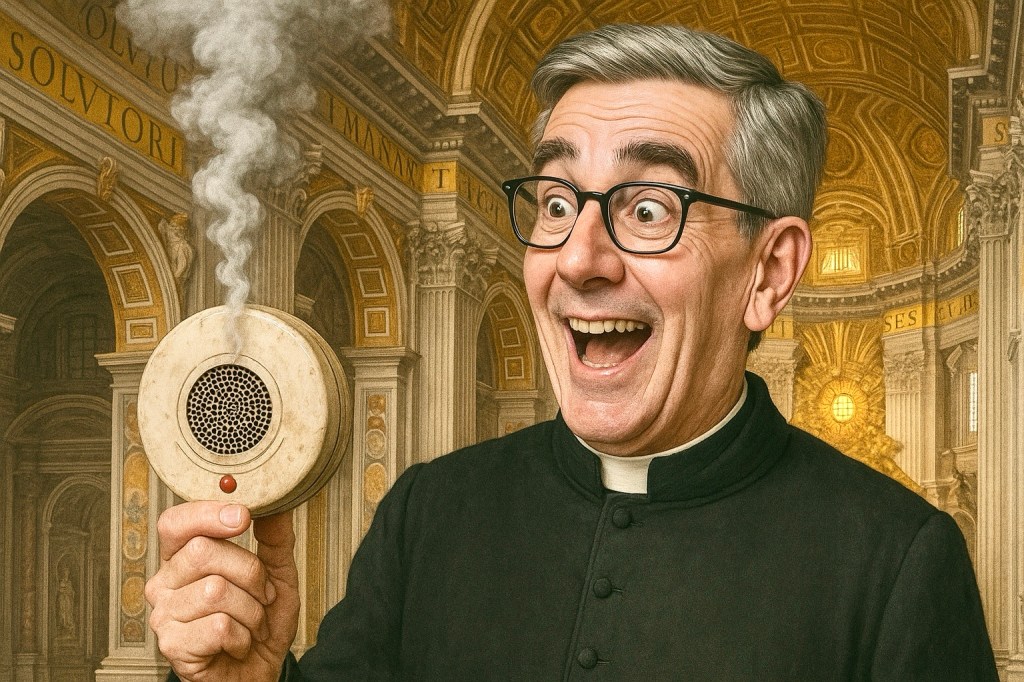
I made the mistake –the blunder – of watching Conclave the other evening. A decision roughly on par with licking a battery to see if it’s working. It wasn’t entertainment. It was a two-hour slow-motion shrug, like watching a dying man cough into a linen napkin.
Now, I’d been seduced, you see. Hoodwinked by the timing. A real-life papal conclave was unfolding, all the solemnity and spectacle, white smoke and whispered prayers. I thought, How thrilling! A meditation on power, tradition, perhaps even God! What I got instead was the theological equivalent of a vegan sausage roll – technically food, but you’ll wish you’d stuck with hunger.
The film sputtered out like a damp match in a crypt – what began as incense ended as flatulence. I kept waiting for tension, mystery, some flicker of transcendence – but it plodded along with all the spiritual gravitas of a PTA meeting. And then the ending. Oh, the ending. I should’ve known. I did know. I just didn’t want to admit it.
You see, it’s not enough these days to tell a story. One must signal virtue, strike a pose, upturn ancient truths like furniture at a student protest. The twist (and I use that word with all the enthusiasm of a man describing a hernia) was a neon-lit nod to our brave new world. A world in which the sacred is rebranded, the sublime is dismantled, and the narrative arc is less Divine Comedy, more Instagram caption.
I won’t spoil it, though if you’ve been alive in the past decade and have access to a Guardian op-ed page, you’ve already guessed it. Let’s just say the revelation was less et in Arcadia ego and more Live, Laugh, Pope.
It’s a peculiar thing, to watch a film about the Vatican that’s so terrified of religion. The whole production felt like it had been written by someone who once skimmed The Da Vinci Code and found it a bit dense. There was no awe, no sense of the numinous. Just politics in cassocks, and dialogue that sounded like it had been workshopped by a diversity committee over tepid lattes.
We’ve lost the plot – literally and metaphorically. Once, we wrote about the fall of man, the silence of God, the wrestling angels and devils of the soul. Now, we produce films where the greatest moral question is whether a character will finally ‘live their truth,’ whatever that means this week.
Ecclesiastes had it right: Vanity of vanities, all is vanity. This film was so void of meaning it could’ve been written by a sentient algorithm trained on TED Talks and TikTok hashtags. Camus said life is absurd; I suspect he watched Conclave and thought, Yes, but even I wouldn’t have cast it like that.
At least nihilism has honesty. It looks the void in the eye and shrugs. This film tried to paint the void with stained glass and hoped we wouldn’t notice the cracks. But we did. Oh, we did.
In the end, Conclave wasn’t a film about faith, or mystery, or the eternal human longing for God. It was a film about modern man trying to wear a mitre over his noise-cancelling headphones. And it showed.
So here’s my advice: if you’re curious about the mysteries of the conclave, go read Dostoevsky. Or Revelation. Or just stare into a puddle until the reflection of your own disappointment stares back. You’ll get more out of it.
So, if you take only one thing from this whole sorry spectacle, let it be this: not all that glitters is gold, and not all that wears a zucchetto is sacred.
Conclave tried to peer into the heart of God, and ended up fumbling around in the gift shop. It was a sermon without scripture, a chalice without wine, and by the end, I felt spiritually mugged – like I’d gone to confession and been told to do yoga instead.
And remember: if they remake The Brothers Karamazov with a dance sequence, I shall walk calmly into the sea.
Until next time: go with God, or failing that, at least go with taste.

 Wording
I wasn’t planning to watch Conclave but enjoyed your review! Still snickering over the dance scene image.
I can’t honestly picture myself dancing – I’d need therapy! 🤣😁