There are some books you finish with a satisfied sigh, and others with a frown of confusion, and then there’s The Magus by by John Fowles – a novel I closed with the faint, haunting suspicion that I had been read far more thoroughly than I had read it. It didn’t so much end as evaporate, like morning mist from a ruined temple, leaving only echoes behind: questions unanswered, certainties destabilised, and the uncomfortable sense that I had been complicit in something vaguely indecent. It’s not a story in the ordinary sense, nor even a puzzle with a solution – it’s an initiation.
I first encountered Fowles’ behemoth of a book with little forewarning. It came to me not through a teacher’s recommendation or a university reading list, but as a whispered dare from a fellow literary masochist. “It’ll mess with your head,” he said, “but you’ll thank me.” I haven’t yet thanked him, but I have reread it, which is surely worse.
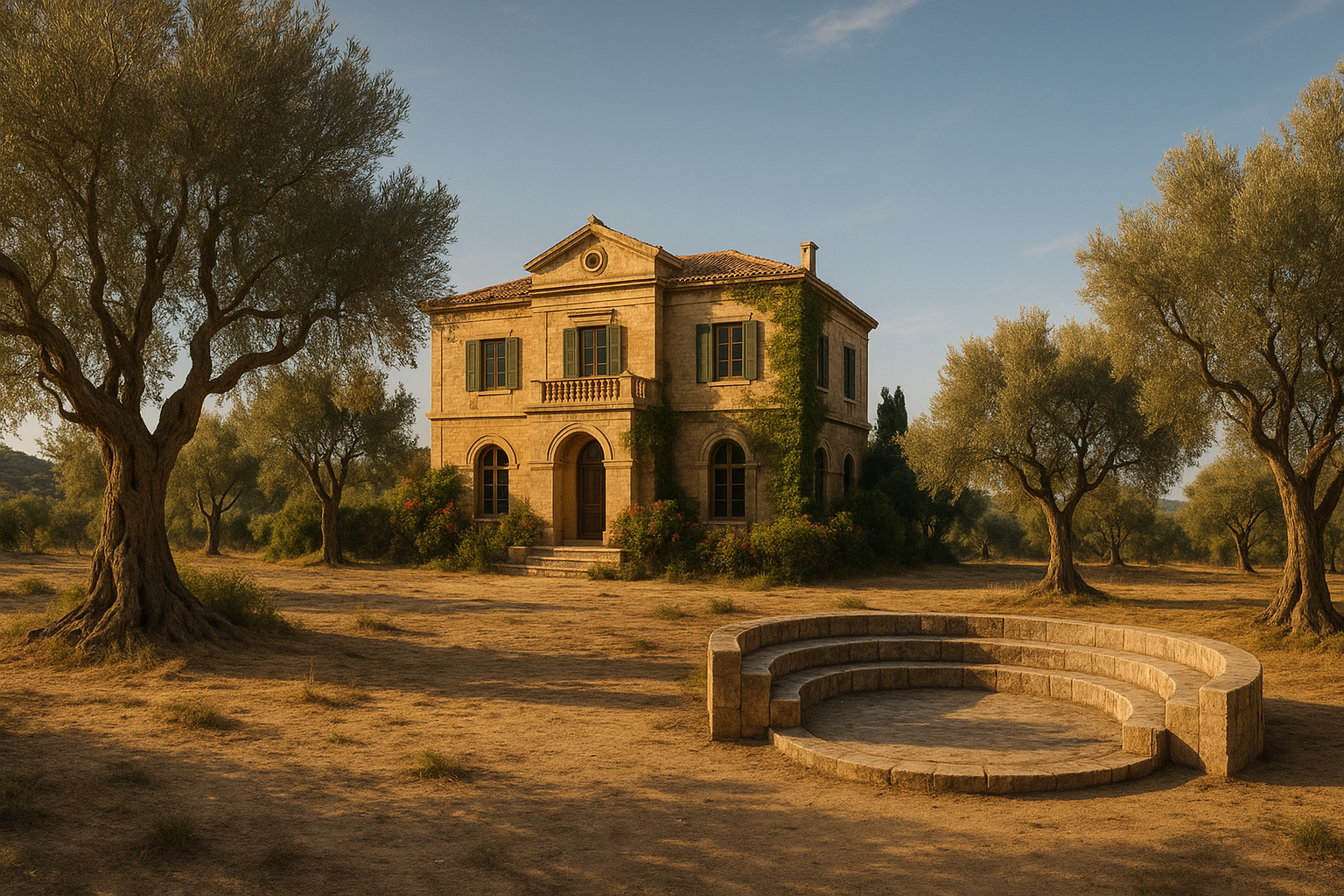
The protagonist, Nicholas Urfe, is a man one learns to dislike almost instantly. A charmingly dull narcissist, too clever by half and yet wholly ignorant of himself, Nicholas is the kind of man who reads existentialists to seem deep and beds women to avoid being alone. I disliked him in the way one dislikes a past version of oneself – too vain, too clever, too cowardly. He takes a job teaching English on a remote Greek island, mostly because the alternative would require some sort of moral decision. There, he meets Maurice Conchis – a man of wealth, riddles, and unfathomable designs – and promptly begins to lose control of his own narrative.
Conchis is a conjuror, a trickster, a mythmaker. If Nicholas is a mirror for the reader, Conchis is the dreamer behind the curtain – a cross between Freud, Prospero and perhaps the devil himself. He stages elaborate psychological performances, seemingly designed to deconstruct Nicholas’ sense of identity. But to what end? Therapy? Torture? Entertainment? Philosophy? All and none, which is what makes the book so maddeningly brilliant. It offers questions, cloaked as answers, and riddles that laugh in your face for trying to solve them.
At the heart of The Magus lies a very old anxiety: that we are not the authors of our own stories. The novel’s central tension – between free will and manipulation, between illusion and authenticity – is as ancient as the Delphic Oracle, yet Fowles spins it with a distinctly modern unease. In a world where truth has been replaced with performance, where every emotional connection might be part of someone else’s script, what does it mean to be free? And more to the point – what does it mean to be real?
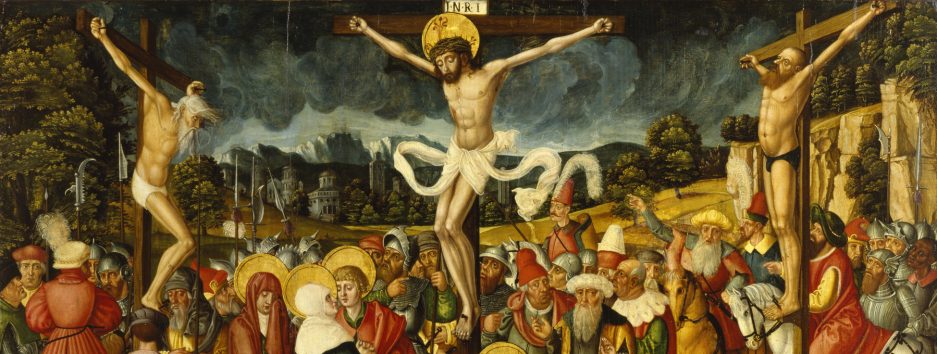
What unsettled me most was how closely it danced with the theatricality of religion. Not in the usual shallow jabs at belief, but in the way Conchis re-enacts myth, martyrdom, betrayal, and resurrection – not to inspire faith, but to expose how easily it is manipulated. There are echoes of the Gospels twisted into Nietzschean performance art. It left me wondering if faith itself is just the longest-running theatre in town.
Fowles doesn’t offer the luxury of certainty. One chapter will present a revelation that seems conclusive, the next will burn it to ash. Characters shift like actors changing masks. Identities dissolve. The very structure of the novel becomes a kind of trap – beckoning you in with narrative promise only to confound it. Like a Freudian dream, it demands interpretation, but punishes the interpreter for being so presumptuous.
And yet – and yet! – there is something beautiful here, amidst the gaslighting and the metaphysics. Amid the layers of deception, the masks and mazes, there is a plea for the reader to wake up. To stop living a second-hand life. Fowles was, I think, a romantic in the deepest sense – believing in human freedom, but knowing how easily we avoid it. He forces us to watch a man fail, again and again, to be brave enough to love truthfully, or even to love at all. And in doing so, he dares us to ask the same of ourselves.
I emerged from The Magus not enlightened, but undone. It’s not a book one finishes, but one carries. Like a stone in the pocket. Like a voice in the night, asking: who are you, really, when the mask falls away?

 Wording