The problem with witches – and I say this as someone deeply in their thrall – is that once you start looking for them, you see them everywhere. In a sharp-tongued woman at the checkout, in your aunt’s herb garden, in your dog’s knowing eyes. It begins as a curious fascination and ends with you standing in a field shouting “WITCH!” at a passing crow.
I blame Inside No. 9, particularly the episode The Trial of Elizabeth Gadge, in which two wonderfully miserable 17th-century witchfinders descend upon a rural village like mould on a cheese string. It’s a perfect storm of puritan paranoia and gleeful grotesquery. And at its heart is a line that lodged itself into my brain like a broomstick splinter:
“Laughter contorts the face and makes monkeys of men.”
How right he is. The devil, it seems, not only has the best tunes – he also has the best punchlines.
There’s something deliciously bleak about the idea that laughter, that most human of spasms, could be evidence of possession. And yet that’s precisely what was feared in the 17th century: mirth, merriment, menstruation – all potential signs of Satan’s interns at work. It was a time when the world made sense if you squinted and shouted at it. You could burn your neighbour for growing parsley and sleep the sleep of the just.
The witch trials, of course, weren’t really about witches. They were about fear. Fear of women. Fear of the poor. Fear of disease, disaster, and dented egos. The woman who mumbled to herself, the midwife with too much knowledge of blood, the widow who outlived three husbands – all suspicious. Throw her in the pond. If she drowns, she’s innocent. If she floats, she’s guilty. That’s the kind of airtight logic you only get in mobs and reality TV panels.
Witch-hunting, as Inside No. 9 so astutely shows, was theatre. Tragedy masquerading as morality play. We’re not far removed, really – we’ve just swapped the ducking stool for X or Facebook. But the mechanics are the same: accusation, outrage, trial by opinion, execution by meme. We’ve digitised the stake, but it still burns.
I must confess I love witches – the real ones, the imagined ones, the fierce, fabulous, folkloric ones. Baba Yaga with her chicken-legged hut. Hecate at the crossroads. Macbeth’s trio of ominous dinner ladies. Even the cardigan-clad ones in The Witches by Roald Dahl who turn children into mice. There’s a power in them that’s both maternal and monstrous – the ancient feminine force that terrifies men who still can’t find the clitoris.
Witches are, in some ways, the original feminists. They lived on the margins, wielded knowledge, and refused to bake bread for ungrateful husbands. Naturally, they had to go. Power without permission is always threatening – especially when it doesn’t shave its legs.
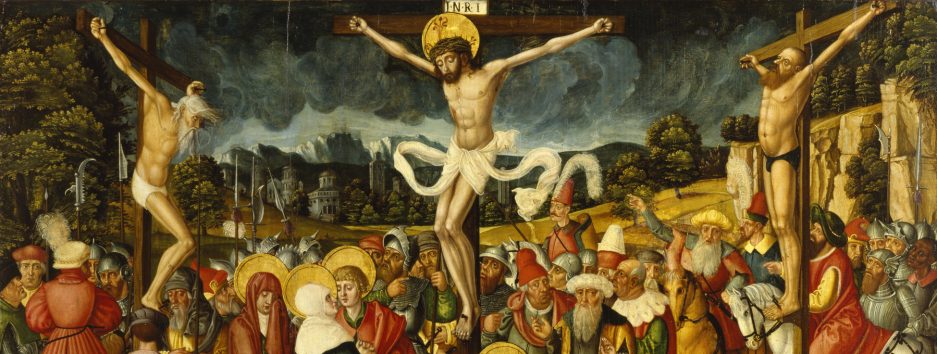
Theologically, witch-hunts represent the dark side of faith – belief without mercy, zeal without reason. Christ dined with sinners; witchfinders dug up old bones and poked them for sin. As Kierkegaard might put it, they mistook dread for devotion. The result was an orgy of paranoia disguised as righteousness.
Psychologically, it’s projection at its finest. We cast our shadows on the outcast and feel momentarily clean. It’s all a bit Freudian, really – the id in a bodice. And by that I mean the primitive, unfiltered instincts Freud called the id – the raw, libidinous chaos beneath our polite pretences. Lust, rage, appetite, animal cunning. All sewn up in lace and linen. No wonder they were terrified. They saw not a woman, but the dark mirror of their own urges – and promptly tried to drown it in a duck pond.
And so, like many things I adore, the witch is both warning and wonder. A cautionary tale and a badge of honour. They burned the women, but they couldn’t burn the idea.
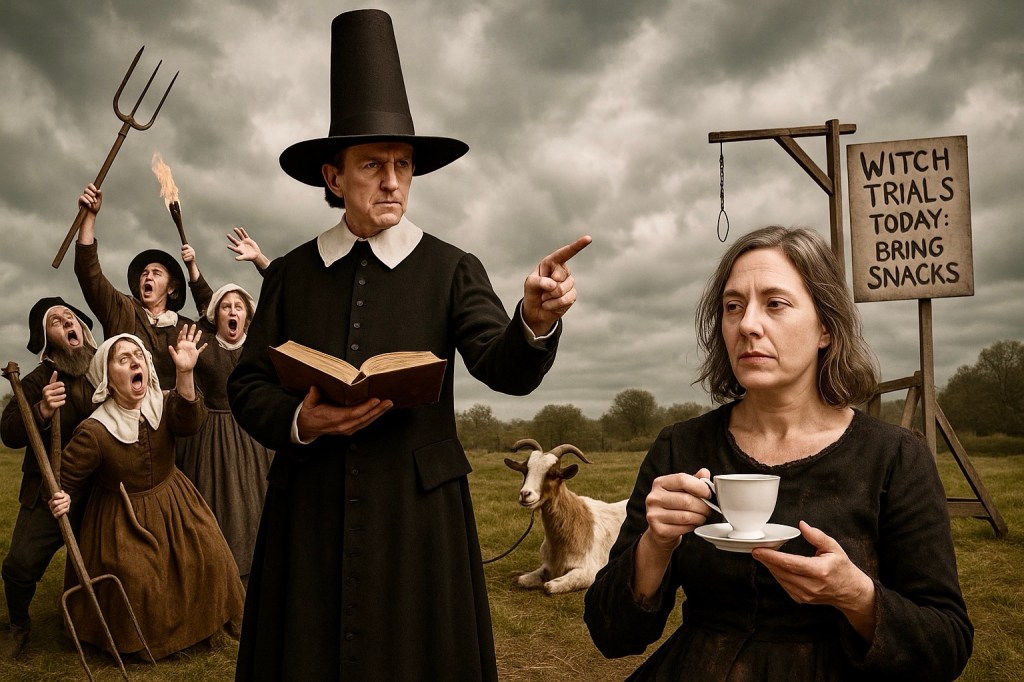
Inside No. 9 captures all this with delicious darkness and deadpan wit – and a goat on a leash, of course. If you haven’t seen The Trial of Elizabeth Gadge, you’re missing a perfect crucible of absurdity, horror, and historical farce. It’s exactly the kind of story that tickles your ribs and boils your blood.
But beware. You start with one episode and suddenly you’re ten hours deep into witchcraft documentaries, muttering about pendulums and pondering if your gran’s cat is a familiar. Such is the seductive pull of the occult. One minute you’re reading about Tituba, the next you’re making rosemary bundles by candlelight and referring to yourself as “a hedge mystic.”
Still – better a witch than a witchfinder. After all, it’s not witches who scare me.
It’s the people who think they’re doing God’s work when they light the fire.

 Wording