When Ralph Ellison published Invisible Man in 1952, America was still congratulating itself on having beaten the Nazis and saved democracy. Yet here was a novel calmly pointing out that a good chunk of its own citizens were treated as if they didn’t exist – or rather, as if they existed only when they could be used as props in someone else’s morality play.
It opens not with a manifesto, but with a confession: “I am an invisible man.” No, not in the H. G. Wells sense – no top hat floating through the air, no mad scientist lurking under bandages. This is a subtler and more corrosive invisibility: being so thoroughly ignored, misread, or stereotyped that you might as well be a ghost. If you’ve ever been in a conversation where the other person looks right past you, you’ll know the sensation – but magnify that to an entire lifetime and an entire social system.
The naïve young man and the battle for dignity
Ellison’s unnamed narrator begins as a bright, obedient young man, desperate to succeed by playing along with the rules. He believes in the myth of meritocracy – until, in one of literature’s most stomach-turning opening episodes, he is forced into a battle royal: blindfolded, beaten, and humiliated for the amusement of white businessmen, before being allowed to deliver his scholarship speech. It’s the American Dream, served with a concussion.
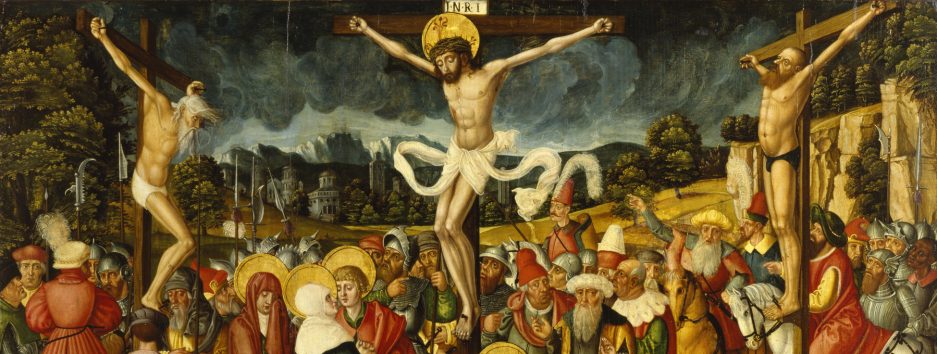
This is where Ellison’s satire is most potent. You can almost hear Proverbs 14:13 – ‘Even in laughter the heart is sorrowful.’ The scene is grotesquely comic: men in suits cheering on a violent spectacle, convinced they’re supporting ‘uplift’ while treating the young men like performing animals. It is the polite cruelty of the well-fed.
Letters of recommendation… to nowhere
Banished from his Southern college for a perceived social faux pas, the narrator is sent to Harlem with glowing letters of recommendation – which, in a biblical twist worthy of Judas, turn out to be sabotage, warning potential employers not to hire him. The result is part Pilgrim’s Progress, part bureaucratic nightmare. Think Kafka with a dash of Jim Crow.
It is here the narrator begins to notice that people don’t see him so much as project onto him – benefactor, threat, token, pawn. Invisibility, Ellison suggests, is not merely being unseen; it is being seen only through the distorting lens of someone else’s preconceptions.
The Brotherhood and the hollow promise of ideology
When the narrator joins the Brotherhood – a political organisation promising equality and justice – he imagines he’s finally found a cause that values him as a human being. Instead, he discovers he is once again a mascot, a voice to be wheeled out for rallies, a symbol for speeches written by others.
It’s here Ellison broadens the critique: it’s not just racist institutions that reduce people to ciphers; it’s also the grand utopian movements, be they Marxist or capitalist, that will gladly use your face on a poster while ignoring the person attached to it. Ecclesiastes 1:9 comes to mind: ‘There is nothing new under the sun.’ The names change; the exploitation remains.
Lightbulbs in the basement
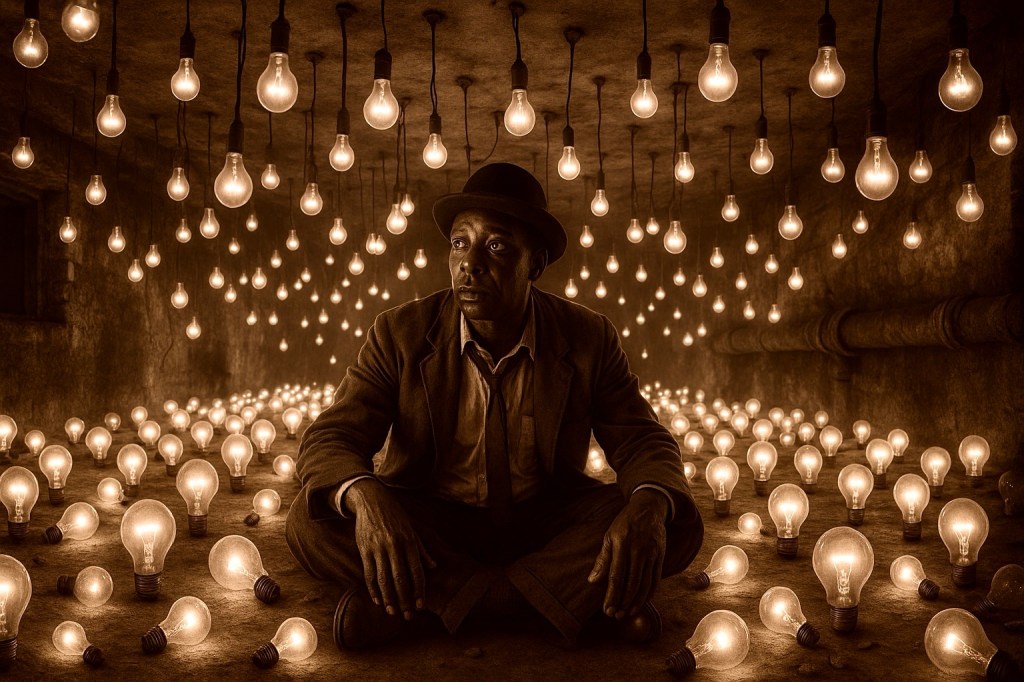
By the end, our narrator has retreated to a basement – not in defeat, but in a kind of grim liberation. He surrounds himself with 1,369 stolen lightbulbs, a petty rebellion against the power company and an absurdist symbol of self-definition. Like Dostoevsky’s underground man, he’s chosen the refuge of self-imposed exile over the compromises of public life. Invisibility, once a curse, becomes a weapon: If you refuse to see me, I will refuse to be used by you.
Ellison’s jazz sermon
The beauty of Ellison’s prose is that it swings. Sentences build and spiral like a Coltrane solo – tender one moment, blistering the next. His humour is sly, almost weary, as though he knows that to rage constantly is to burn out. Better to lace the sermon with a bit of syncopation, a touch of the absurd.
And yes, the novel is political, but it is also deeply existential. The narrator’s journey is, in the end, not just about race in America – it’s about any individual trapped in a society that insists on defining them without their consent. It’s about the fight to hold onto a self when the world insists you are something else entirely.
Why it still bites
The most disturbing thing about Invisible Man today is not how alien its world feels, but how familiar. We still live in an age where identity can be used as a marketing category, where political causes can recruit you as a poster child, and where visibility is often confused with agency.
Perhaps Ellison’s real message is this: being seen is not the same as being free. Sometimes, the most radical thing you can do is step out of the spotlight, screw in a thousand lightbulbs, and start speaking in your own voice – even if nobody is listening.

 Wording