I’ve long suspected that the Ripper mystery isn’t so much about one man’s madness as it’s about a whole empire’s mask slipping. You can smell the hypocrisy before you even open Bruce Robinson’s They All Love Jack. It’s the stench of gaslight and gin, of sanctimonious gentlemen who polished their Masonic jewels while the poor were gutted in the streets.
Reading Robinson’s book is like watching a priest perform an exorcism with a bottle of whisky and a flamethrower. It isn’t an academic study – it’s a vendetta. And I rather love it for that.
He spends over a decade clawing through Victorian archives, coughing up the dust of Empire, until he finally names his devil: Michael Maybrick, the respectable composer who, Robinson argues, sang hymns by day and carved flesh by night. Madness, perhaps – but a madness fuelled by method. And behind it, that old British institution – the brotherhood of silence, Freemasonry – looming like a shadow on the wall of history.
Now, I’m not a conspiracy theorist by profession. I don’t wander about with string and corkboards muttering about the Knights Templar. But Robinson’s fury is contagious. His prose roars against the marble hypocrisy of the Victorian establishment, those gentlemen who sermonised about virtue while the city reeked of vice and decomposition. The Ripper, to him, was never just a man – it was the establishment itself: white-gloved, well-fed, and ritually blind.
I felt, reading it, as if London itself were being flayed open. Beneath the cobbles, beneath the empire’s moral sermon, there beats a diseased heart – one that still pumps in the nation’s veins today. The same sentimental sanctimony that once sent missionaries abroad now sends ministers to diversity conferences. The same moral cowardice that silenced the East End still hushes truth in polite company. The Ripper lives, only he now wears a necktie and calls it ‘progress.’
But what makes Robinson’s book truly magnetic isn’t the theory – though that’s wild enough – it’s the tone. The man writes as if Wilde, Blake, and Hunter S. Thompson had formed a committee to damn the British Empire with footnotes. It’s rage made lyrical, mockery turned art. He swears like a prophet, jokes like a hangman, and, somewhere between the invective, uncovers the poetry of a nation that kills what it can’t confess.
Every so often, I paused to sip my tea and mutter, ‘He’s mad.’ Then a page later: ‘But by God, he might be right.’ That’s the genius of it. He drags you down into the labyrinth of police reports, secret societies, and Victorian scandal until you realise the whole century was a stage, and we’ve been applauding the villains for their good tailoring.
I like to think of the book as less a ‘solution’ to the Ripper murders and more a requiem for English innocence. If we ever had any, it died somewhere in Whitechapel, 1888, under a gaslamp halo. The Ripper’s true identity may forever be debated, but Robinson makes a stronger case that the killer’s spirit is collective: the gentlemen’s clubs, the police, the press, the pulpit – all in love with Jack, all complicit, all feeding the myth.
It’s not tidy. It’s not sober. But neither was the age. And perhaps that’s the point: some truths demand a touch of delirium. Robinson’s They All Love Jack isn’t just a history book – it’s a mirror. You see in it the grinning skull beneath the bowler hat, the hypocrisy beneath the hymn, and the polite smile of a civilisation that still doesn’t know what to do with its own darkness.
So yes, they all loved Jack. They still do. We hang his portraits in documentaries and podcasts, we dress him up in theories, we romanticise him to avoid recognising him.
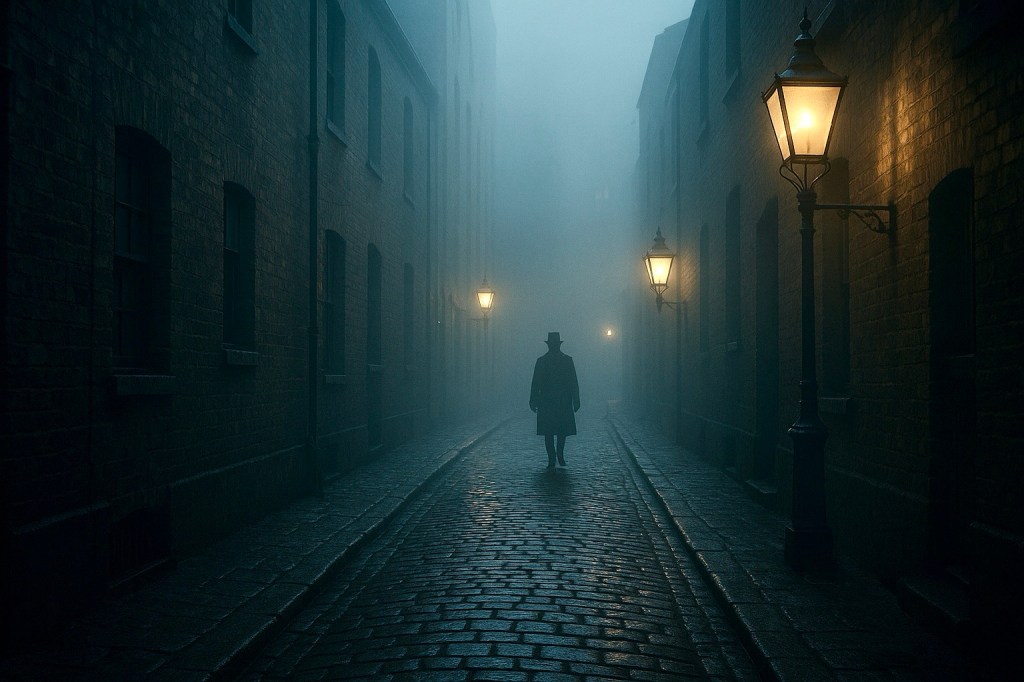
And sometimes, in London’s narrow streets at night, I fancy you might hear him still – whistling an old tune by Maybrick, that merry melody of empire and denial – while the city pretends to sleep.
Coda: The Three Ruffians of Whitechapel
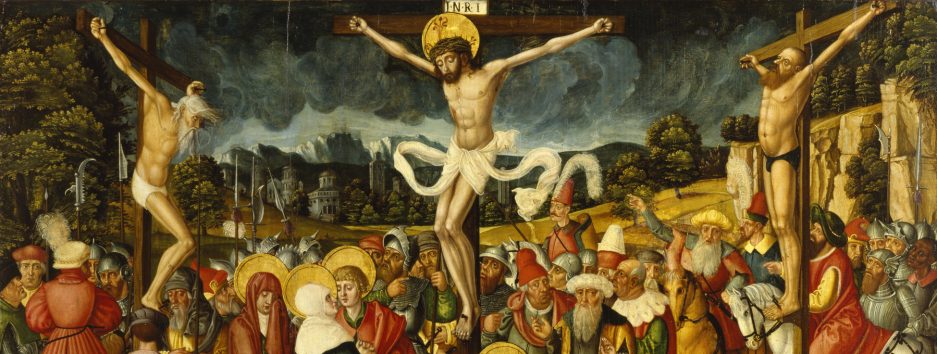
There’s an old legend whispered in lodges and half-remembered by men who have long forgotten why they ever wanted to belong to anything. It tells of Hiram Abiff, the Master of the Builders, who guarded the sacred ‘word’ — that fragment of divine architecture by which heaven once measured earth. Three jealous workmen demanded his secret, and when he refused, they struck him — first with a plumb-line, then with a level, and finally with the heavy maul that felled him into silence. The body was hidden, the word was lost, and the masons wept over the grave of their own integrity.
I often think of poor Hiram when I read again of Whitechapel, where another trio of blows fell upon the Victorian conscience. The Ripper legend isn’t merely a sequence of murders; it’s the moral play of an empire collapsing under its own hypocrisy. Each victim — Polly, Annie, Liz, Kate, Mary — was a chapter in a new gothic gospel written not in ink but entrails. And somewhere in that reeking script, chalked on the wall above a shred of apron, appeared the phrase: ‘The Juwes are the men that will not be blamed for nothing.’
Ah, the Juwes. That mysterious word which Scotland Yard scrubbed away before dawn, as though truth itself might spark a riot. The rationalists say it was a misspelling of ‘Jews’; the romantics insist it was something far older — a secret name whispered in lodges where candles gutter before portraits of Solomon’s Temple. In that theory, Juwes meant the three ruffians who struck down Hiram Abiff: Jubela, Jubelo, Jubelum — the envious, the violent, and the cruel. Some claim that Jack, whoever he was, had read his rituals well; that he copied their ‘punishments,’ those grim symbolic mutilations by which the faithless are chastised and the tongue of secrecy preserved in blood.
I can’t say I believe it entirely, but I understand the poetry. The idea that a killer might act out the unfinished liturgy of his country’s soul — that’s the kind of ritual England adores. We don’t need temples when our very streets perform the mystery play. Whitechapel was our masonic tragedy, the kingdom of hypocrisy judging itself with a razor. Each wound was an incision through the Empire’s corset, a revelation of what lay beneath the philanthropic lace: lust, fear, and the animal hunger of the poor.
What fascinates me is how the language of secrecy always ends in exposure. The Masons hid their ‘word’ only to immortalise the story of its loss. The Ripper hid his name, and in doing so made it immortal. The police, the press, the moralists — they all became the new ruffians, striking truth from every side until nothing was left but the legend. Like Hiram, England herself was struck three times: by industrial greed, by moral vanity, and by the gnawing conscience that followed her empire like a ghost.
And so the tale of the Ripper and the Temple join hands: one ritual upon a scaffold of faith, the other upon a cobbled street. Both speak of the same fall — the punishment of those who seek divine knowledge in a world that’s forgotten what divinity means.
Sometimes, in the East End, the fog rolls in from the Thames, I fancy I hear them: the three ruffians of Whitechapel, laughing softly as they hide the body of truth under another newspaper headline.
And perhaps, like the old Masons, we still search for that lost word — not the one of Solomon, but the one of compassion, the one that would have stopped a man lifting his hand in envy or despair. Until we find it, London will remain the temple of a silent god, its stones built on secrets, its prayers written in chalk that the rain forever washes away.

 Wording