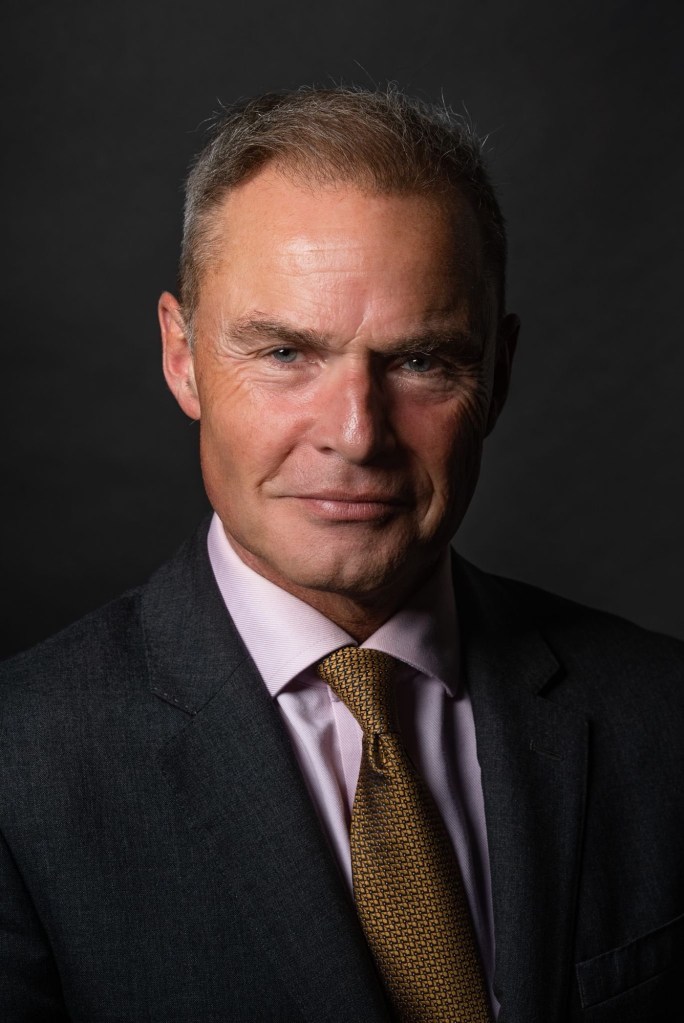
Peter Whittle walked through our cultural twilight like a man holding a lantern against the wind — stubborn, luminous, and unashamed. He believed that nations aren’t built merely by borders or ballots, but by the fragile things: memory, beauty, belonging, truth. And he fought for those things long after others declared them unfashionable.
In an age when many whisper, he spoke; when many bowed, he stood; when many traded conviction for applause, he kept his integrity — sometimes lonely, often controversial, always unmistakably himself.
His passing leaves a sharper silence in the room, as though a chair has been pulled away from the table of public life. But the ideas he championed — the sanctity of culture, the dignity of heritage, the courage to dissent — do not die with their messenger.
May he rest among the steadfast.
And may Britain remember what he tried to defend, even when it did not wish to hear it.
The Quiet After the Storm
In the end, it’s not the thunder of a man’s career that lingers, but the echo of his convictions. Peter Whittle leaves behind no dynasty, no marble monument — only the far more dangerous thing: a challenge.
A challenge to remember who we are.
A challenge to guard what is worth guarding.
A challenge to speak while others sleepwalk.
Those who dismissed him will forget him quickly; those who understood him will feel the absence like a draught beneath a closed door. For Britain is a poorer, duller, more uncertain place without those rare souls who refuse to surrender their love of home.
And perhaps, on some distant day, when our country looks back upon this strange and drifting age, it may say of him: Here was a man who warned us, who cared, and who carried the candle a little further into the dark.
May he walk now where the storms are ended.
May his lantern burn on in the hands of those who remain.

 Wording