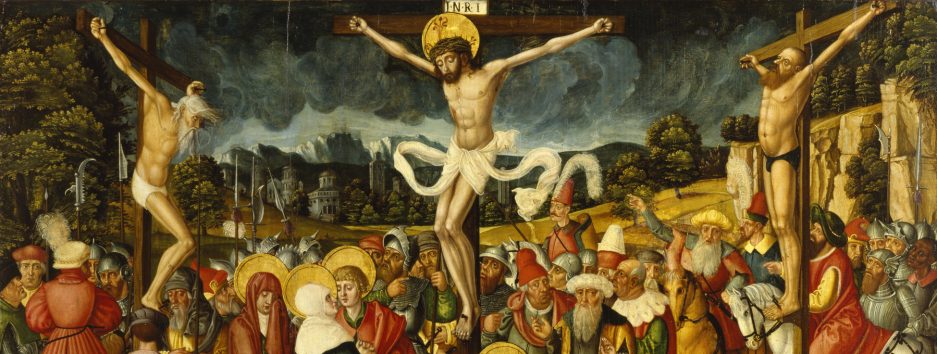
André Gide, that sly archbishop of paradox, published The Vatican Cellars in 1914 - the very year Europe began dismantling its cathedrals with artillery fire. It’s a book that calls itself a ‘sotie’ - a medieval farce performed by jesters in cap and bells - which is Gide’s way of saying, ‘This is a joke, … Continue reading The Vatican Cellars: Or, How to Build a Cathedral on Quick Sand
Tag: classic-literature
A Ghost in the Glass: Charlotte Brontë and the Churchyard Photograph
Haworth Churchyard photograph, John Stewart, c.1856–57. © Brontë Society. Sourced via annebronte.org. There’s a photograph - albumen print, sepia-toned, crisp with the shadows of headstones - that has set imaginations aflame for more than a century. It shows Haworth churchyard, with its lichen-bitten tombs and overhanging sky, a place where the dead vastly outnumber the … Continue reading A Ghost in the Glass: Charlotte Brontë and the Churchyard Photograph
How Much Land Does a Man Need? – Tolstoy’s Six-Foot Sermon
Tolstoy was always the moralist disguised as a storyteller. He couldn’t so much as describe a hayfield without planting in it a parable, and How Much Land Does a Man Need? is among his most ruthless little lessons. At its heart, it’s an absurdly simple tale: a peasant named Pahom believes that with just a … Continue reading How Much Land Does a Man Need? – Tolstoy’s Six-Foot Sermon
On the Tyranny of Sameness
“We’ll all be free and we’ll all think alike, as a free people does; and them that don’t won’t be allowed to think different.” What an epigram of our age - though spurious in origin, it speaks truer of our times than many a sanctioned sermon. We needn’t trouble ourselves with the dull bibliographies of … Continue reading On the Tyranny of Sameness
The Ship of Theseus: A Nation Adrift on Rotten Planks
Plutarch’s riddle is older than our language but no less urgent for its age. If every plank of Theseus’ ship were replaced, was it still the same vessel? The Athenians insisted that it was - because their pride needed it to be so. Hobbes, less sentimental, pressed the matter: what if the discarded planks were … Continue reading The Ship of Theseus: A Nation Adrift on Rotten Planks
 Wording