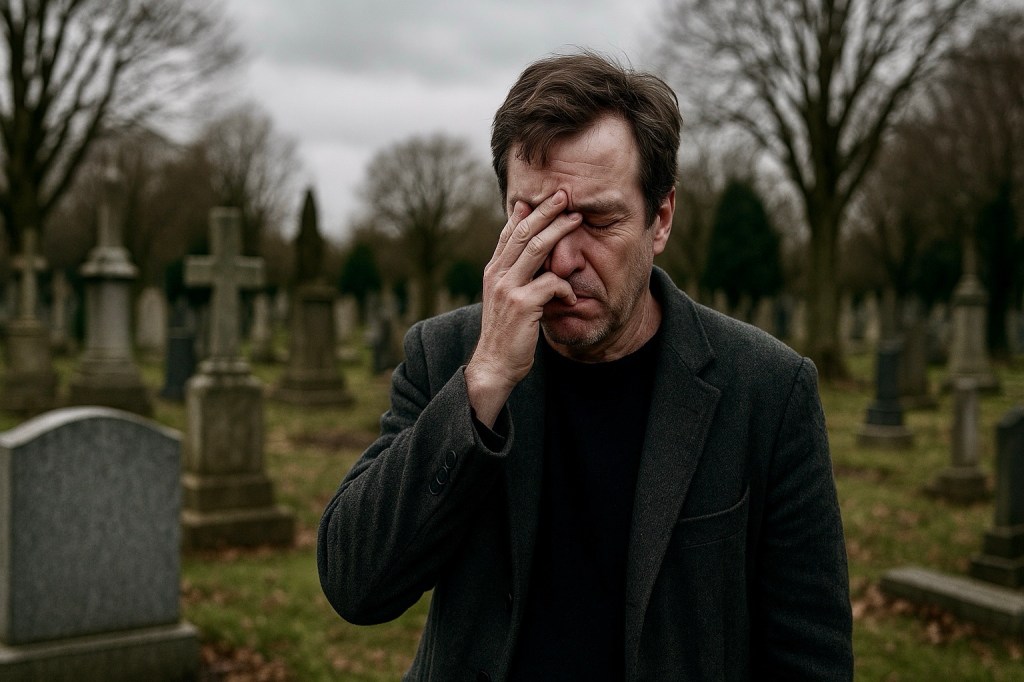
I’ve delved into the works of Tennyson, and each time, I’m reminded of that weary adage people parrot without recognising its origin. It’s worth noting that Tennyson penned the lines I refer to below in the throes of his own grief, and I can certainly respect the depth of emotion behind them. However, there is an undeniable tendency to romanticise loss, often as a means to draw attention to oneself. Today, I find myself overwhelmed with sadness and, to be honest, with a tinge of bitterness concerning my own personal loss. Therefore…
Alfred Lord Tennyson’s famous line, “Tis better to have loved and lost than never to have loved at all,” is often cited with a kind of reverence, as if it’s the holy grail of romantic wisdom. But let’s cut through the poetic fluff and examine this statement.
First, contextual skewering, let’s set the scene. Tennyson penned these words in his poem In Memoriam A.H.H. to mourn his friend Arthur Henry Hallam. While it’s all very touching, the sentiment can come across as more than a bit melodramatic. Yes, they were close, but do we really need to elevate grief to this Shakespearean tragedy level? If Tennyson had lived in the modern age, he might have found a more practical outlet for his sorrow, like binge-watching sad movies or creating a mopey playlist on Spotify.
Now, thematic satire, onto the theme: the glorification of love and its subsequent loss. Tennyson seems to argue that love is this essential, enriching experience. But is it, really? Let’s think about what love actually entails: compromising your leisure choices, sharing your chocolates, and enduring endless debates over furniture. And then, just when you’ve finally trained someone to tolerate your quirks, they either leave you or kick the bucket, leaving you with nothing but a pile of sappy memories and an irrational hatred for their favorite band.
Philosophically – or more than likely, philosophical farce – Tennyson’s maxim suggests that embracing love, despite its inevitable demise, is a sign of living a full life. But let’s flip that around. Perhaps the true intellectual giants are those who sidestep this emotional rollercoaster entirely. These are the people who sail through life with their sanity intact, avoiding the heartache, the crying into ice cream, and the compulsive need to stalk their ex on social media. They live detached, drama-free lives, where their biggest emotional investment is deciding which flavour of ramen to eat tonight.
Instead of transforming us, love often seems to reduce us to babbling idiots. We write cringe-worthy poetry, make grand gestures that almost always backfire, and sometimes even get tattoos of names we’ll later regret. And after the inevitable breakup, we’re left to sift through the wreckage of our dignity, questioning every life choice that led us to this sorry state.
With universal cynicism, Tennyson’s line has been co-opted by greeting card companies and rom-coms, making it seem like a universal truth. But let’s be real: love and loss are universal experiences, yes, but so are food poisoning and jury duty. Just because something is widespread doesn’t mean it’s inherently valuable. In fact, some of the most universally experienced things are also the most universally despised. So, maybe we should put love in the same category as root canals: sometimes necessary, often painful, and rarely worth writing poetry about.
And let’s not forget the practical implications of this maxim in today’s world. In an era where ghosting and breadcrumbing are as common as avocado toast, the idea of enduring love seems almost quaint. Tennyson’s Victorian idealism doesn’t hold up against the harsh realities of modern dating, where the only thing you’re likely to gain from a new relationship is a collection of awkward text messages and a renewed appreciation for single life.
And so…
Tennyson’s maxim “Tis better to have loved and lost than never to have loved at all” might sound profound, but let’s not kid ourselves. Love is messy, painful, and often leaves us worse for wear. If you can navigate life without falling into the trap of romantic entanglements, you might just come out ahead. So next time someone quotes Tennyson at you, feel free to smile knowingly and remember: it’s better to have dodged the bullet than to have taken it to the heart.

 Wording