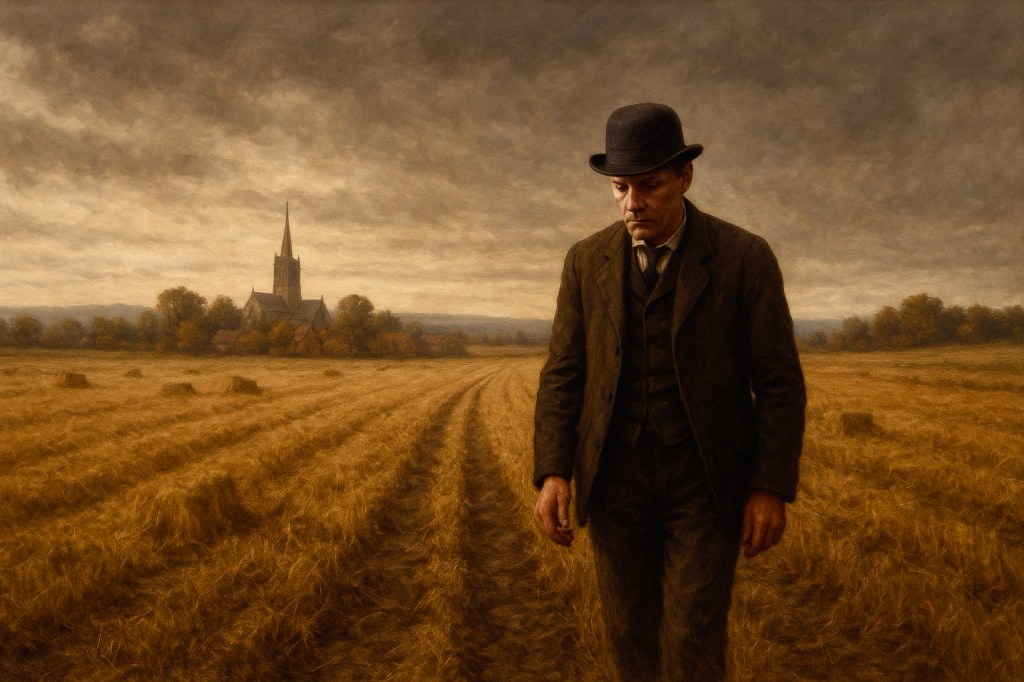
Some novels are so steeped in fatalism that one half expects the pages to sigh when turned. The Mayor of Casterbridge is such a book – a work that feels as though it were written not with pen and ink, but with plough and sorrow. It’s a tragedy of the English soil, where destiny is as inescapable as the weather, and the characters, like crops, are at the mercy of unseen seasons.
Hardy, ever the melancholy geographer of the human heart, sets his tale in Wessex – that mythical patch of Dorset that somehow feels older than Genesis itself. The fields groan with memory; even the wind carries gossip. It’s a world where a man’s reputation can be ruined by rumour and redeemed only by rain. Yet for all its rustic quiet, Casterbridge is no pastoral paradise. Beneath its church bells and market cries lies an ancient ache – the ache of pride, guilt, and the slow grinding wheel of fate.
The titular mayor isn’t a villain, nor a saint, but something far more recognisable: a man who wishes to be both. He’s that most tragic of English archetypes – the self-made man who cannot forgive himself for having been made at all. Hardy draws him with such sympathy that I can almost feel the blisters on his conscience. His virtues are volcanic, his vices temperamental; he’s a moral weather system unto himself, and the forecast is rarely mild.
There is, throughout the novel, a constant wrestling between man’s desire to shape his own destiny and the invisible hand that smudges every line he draws. Hardy’s great cruelty – or truth – is that in his universe, good intentions are no armour against catastrophe. One may reform, repent, and sow one’s fields with honesty, yet still reap the whirlwind of a single foolish act. If Shakespeare’s tragedies are storms of passion, Hardy’s are droughts of the soul – slow, merciless, and utterly English.
The brilliance of The Mayor of Casterbridge lies in its refusal to flatter humanity. Hardy understood what theologians sometimes forget: that man’s downfall often begins with his virtues. Pride, ambition, even remorse – all noble in small doses – become fatal when mixed with conscience and circumstance. The mayor’s undoing, then, isn’t wickedness but earnestness. He tries to live morally in a world that operates by moral irony.
Hardy’s prose, too, is a curious alchemy of the beautiful and the brutal. He writes landscape as if it were theology – the sky a sermon, the earth an accusation. The fields of Casterbridge are strewn with metaphor, each furrow a moral scar. Reading him is like walking through a churchyard in spring: beauty everywhere, but every blossom growing from a grave.
There’s humour, of course – Hardy’s never without it – but it’s the dry, aching sort that only the English countryside could produce. When his villagers gossip, it’s with the seriousness of historians; when they moralise, it’s with the blind certainty of weathercocks. And yet, for all their simplicity, they carry the same tragic dignity as their betters. Hardy never mocks the poor – only the pretence of the proud.
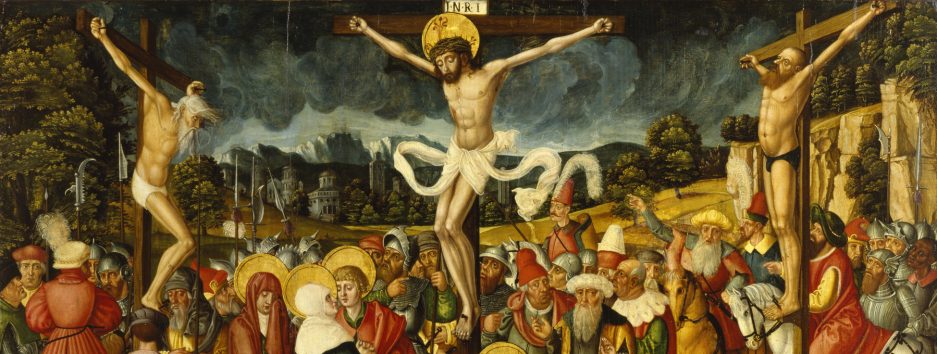
Beneath it all runs Hardy’s quiet rebellion against divine justice. His God, if He exists at all, seems more like an absentee landlord – aware that the fences are broken but unwilling to mend them. And yet, the novel isn’t faithless. It’s haunted by faith – like an empty chapel echoing with hymns remembered but no longer sung. The mayor’s struggle for redemption is therefore as much spiritual as social; it’s man’s eternal attempt to rewrite the past while the ink of fate is still wet.
To read The Mayor of Casterbridge is to see one’s own follies reflected through the soft haze of rural tragedy. It reminds us that remorse is no resurrection, that virtue can’t always reverse vice, and that even a man of stature may fall to the level of his own shadow. Hardy’s vision is bleak, yes, but never bitter. He writes of failure with tenderness, as though to say: ‘There, but for the weather, go we all.’
And so, the tale endures – not because it shocks, but because it understands. Hardy’s characters are the soil’s own offspring, sprouting from dust and destined for it again. Their tragedies are ours, merely spoken in dialect. And when one closes the book, it’s with that peculiar ache of having witnessed not fiction, but nature – not invention, but truth ploughed deep.

 Wording