By a hopeless penitent with a bookshelf and a leaky conscience
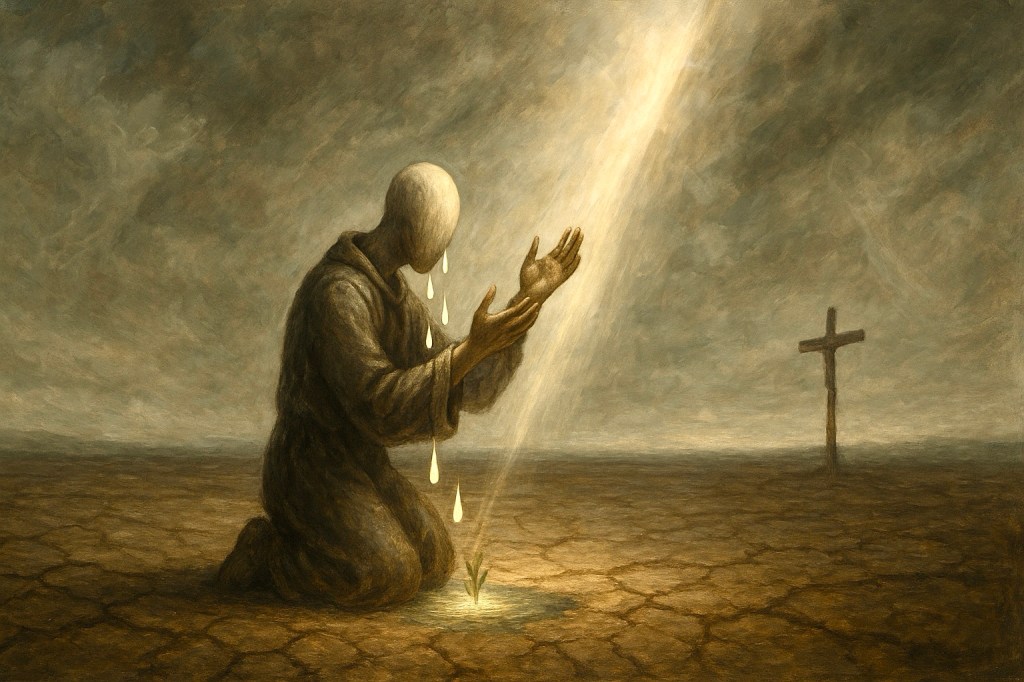
At the opening of Elizabeth Gaskell’s Ruth, before we meet the orphaned seamstress or the soft-hearted Bensons, we are met with tears. Not sentimental ones, but slow, penitential tears – each drop a silent argument for mercy. The chosen epigraph, “Drop, drop, slow tears”, is no mere ornament; it is a liturgical sigh over a world where virtue is fragile and judgement comes far too quickly.
Phineas Fletcher’s poem, quoted there, lingers like incense over the entire novel: it prepares the soul not for scandal, but for sympathy. It is the prayer of every outcast who dares to love, to fail, and to hope again.
What follows is my own meditation on that small but mighty poem – a few reflections from the edge of things, written with tear-streaked spectacles and more questions than answers.
They don’t write ‘em like this anymore. No padding, no preamble, no poetic flab – just four little stanzas that feel like they’ve fallen straight from the mouth of a weeping angel. Phineas Fletcher, that lesser-known metaphysical with a preacher’s heart and a poet’s ear, strikes a chord in me I didn’t know needed tuning.
“Drop, drop, slow tears!”
What an opening gambit. No rhyming acrobatics, no flowery overtures – just a plain command to the lachrymal glands. It’s not a dramatic outburst but a weary murmur, like a soul wrung out and hung up to dry. The kind of phrase you whisper when you’re not crying for show but for shelter.
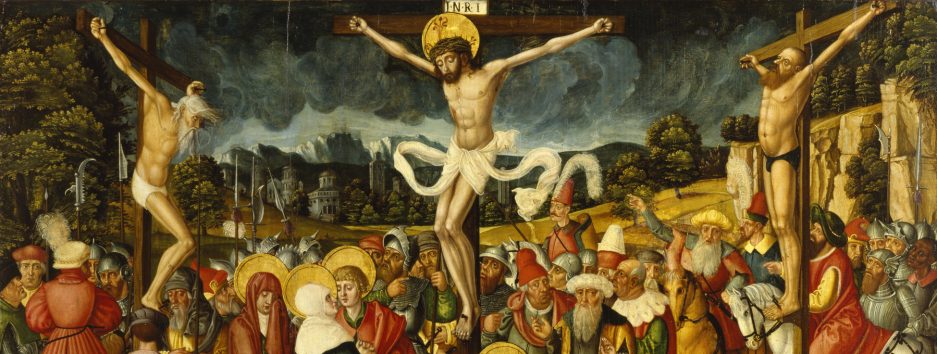
When I read this line, I think of Mary Magdalene, that poor woman with more perfume than prospects, bathing Christ’s feet with tears and drying them with her hair – an act both intimate and absurd. She didn’t dab, she drenched. And that image – “bathe those beauteous feet” – invokes it with a painter’s touch. Caravaggio would’ve eaten it up with a spoon: light, shadow, shame, and salvation, all swirling together like oil in a chalice.
“Which brought from heaven / The news and Prince of Peace.”
Now there’s a title to beat all job titles. No corporate jargon here. Not motivational speaker, not visionary leader. Just Prince of Peace. Straight from Isaiah, as if heaven itself posted a ceasefire notice on humanity’s door.
But what gets me is the juxtaposition: these divine feet – calloused, sand-cracked, and road-weary – are beautiful not in spite of the dirt, but because of it. They’re wounded beauty, like the statue of Laocoön: agony carved into glory. And I, with my guilt and good intentions, am asked to wash them with my own saltwater sorrows. It’s like being asked to clean a stained-glass window with the fog of your own breath.
Then comes the kicker:
“Cease not, wet eyes, / For mercy to entreat: / To cry for vengeance / Sin doth never cease.”
Here’s a line with the theological weight of an anvil. Fletcher knew his Augustine – knew that sin is persistent, like a bad smell or an unpaid debt. And so, if sin never sleeps, why should repentance? It’s relentless, this prayer for mercy. Cease not – as in, keep crying, even when your eyes have nothing left but the ache of memory.
I think of Socrates here, oddly enough – not the bearded bore of school textbooks, but the gadfly of Athens, who knew that unexamined life wasn’t worth living. Fletcher goes one better: the unwept-for life, the tearless conscience, might not be living at all.
“In your deep floods / Drown all my faults and fears…”
Now that’s a baptism I could get behind. Not a polite sprinkle, but a full submersion in grief. Drown me good and proper, says Fletcher. Let the flood carry away not just what I’ve done, but what I’ve dreaded, the fears that cling like mildew to the soul. He sounds like someone who’s sat up all night with Psalm 51 under his pillow and a knot in his gut:
“Wash me thoroughly from mine iniquity, and cleanse me from my sin.”
Not dainty dabs but a flood, a deluge, a biblical mop-up job.
And finally, the prayer behind the poem:
“Nor let His eye / See sin, but through my tears.”
Here I want to clutch my chest like a Victorian heroine and reach for a cup of something strong. What a line. It turns tears into a kind of holy lens, a divine distortion. Like the Eucharist or Dante’s celestial rose, it’s not about accuracy but about grace. Don’t look at me as I am, says the poet, look at me through the fog of my contrition.
The Stoics would roll their eyes – Seneca with his stiff upper lip and Epictetus wagging a moral finger – but Fletcher knows what Job knew, what David sang, what Donne and Herbert preached: sometimes, only the tears prove you’re alive. The flood is not the end – it’s the beginning.
And the music! This poem’s been set to a haunting choral tune by Orlando Gibbons, that Jacobean maestro who could wring pathos from a single note. You hear it, and the modern world melts away like wax in a flame. You’re not in Tesco anymore – you’re in a candlelit chapel with a lump in your throat and a crack in your soul.
I suppose what I love most is that Fletcher doesn’t offer absolution, only articulation. He doesn’t mop up the mess – he names it, lifts it, and lays it trembling at Christ’s feet. It’s the poetry of surrender, not triumph. The language of a man who knows that sometimes the only honest prayer is a sob.
And in the end, perhaps that’s all I’ve got too – a puddle of tears, a patchy conscience, and a Prince who walks barefoot through the wreckage to find me.

 Wording